Years before the Montevideo day
A Restless Marriage
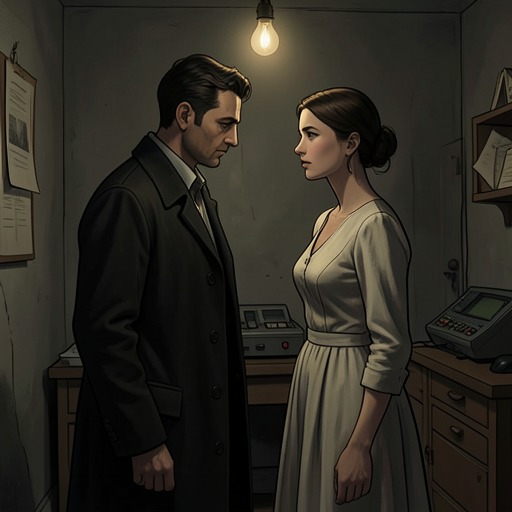
[Lucas Pereyra](entity:character-recall-character-lucas-pereyra-fa2544ebb064) and [Catalina](entity:character-recall-character-catalina-da71756232ba) built a life together whose early desire gradually gave way to routine. Lucas remembered their once-inventive sex as a measure of what had been lost as exhaustion and resentment accumulated.
During the marriage, before the Montevideo day
Maiko Joins the Family
Lucas and [Catalina](entity:character-recall-character-catalina-da71756232ba) had a son, [Maiko](entity:character-recall-character-maiko-078aca68123e). Lucas loved him fiercely but found parenthood exhausting and frightening, with its sleepless nights, illnesses, accidents, and constant responsibility.
During Maiko's early childhood
The Family Body
Lucas came to think of the three of them as one fused family body, bound together by shared routines and vulnerability. He also feared that this closeness erased the private self and desire he needed to preserve.
Before the Montevideo day
Lucas's Creative Block
Lucas struggled to finish work, turned down teaching, and watched his confidence and income diminish. The writing life he had imagined increasingly felt like a failure to provide for his family.
During the family's financial hardship
Household Debts Accumulate
As Lucas's work dried up, the family fell behind on bills and postponed repairs and medical expenses. At a supermarket, both cards were declined; they had to abandon their groceries while [Maiko](entity:character-recall-character-maiko-078aca68123e) cried among the checkout lanes.
Before the Montevideo day
The Sexless Argument
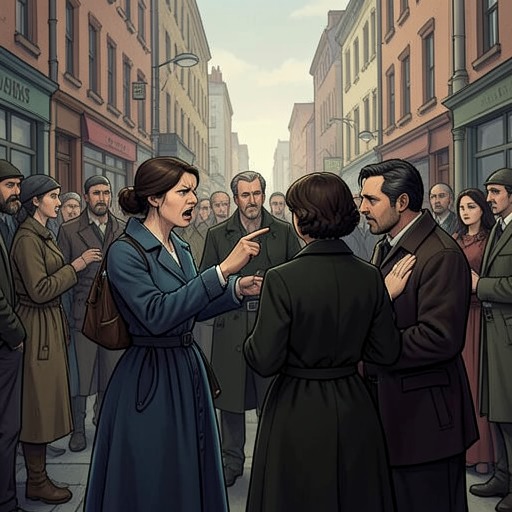
During an argument, Lucas blamed their dwindling sex life and described the women he was tempted by after literary events. [Catalina](entity:character-recall-character-catalina-da71756232ba) challenged him: she would not congratulate him simply for not sleeping with someone else.
In the months before the Montevideo day
Suspicions About Catalina
Lucas interpreted [Catalina](entity:character-recall-character-catalina-da71756232ba)'s late nights, grooming, and changed habits as signs that she was seeing another person. He privately imagined an affair with a male doctor connected to her work at [Fundación Cardio Life](entity:organization-recall-organization-fundaci-n-cardio-9257202218d7), but had no proof.
Before the Montevideo day
Lucas's Hidden Affairs
Lucas later acknowledged that he had secretly slept with other women while married, including a university student and a Brazilian woman. He concealed the encounters carefully, but came to suspect that [Catalina](entity:character-recall-character-catalina-da71756232ba) sensed more than he admitted.
Before Maiko's birth
A Pregnancy Decision
Lucas remembered a night when he and [Catalina](entity:character-recall-character-catalina-da71756232ba) nearly separated. After she was hurt by his hesitation about their future, they slept together in a moment of physical surrender; he believed [Maiko](entity:character-recall-character-maiko-078aca68123e) may have been conceived then.
Before the Montevideo day
The Currency Crisis
Argentine currency controls made it far more profitable for Lucas to collect his writing advances in [Uruguay](entity:location-recall-location-uruguay-90071e0932e2) than to receive dollars through an Argentine bank. He planned to bring the cash back despite the limit on dollars entering [Argentina](entity:location-recall-location-argentina-b39ac2d2b332).
The previous January
The Valizas Festival
Lucas traveled to a literary festival in [Valizas](entity:location-recall-location-valizas-2e2b0c3b5520) while [Catalina](entity:character-recall-character-catalina-da71756232ba) stayed behind with [Maiko](entity:character-recall-character-maiko-078aca68123e). He enjoyed the beachside gathering and its young, bohemian crowd, but felt both included in and out of place among them.
At the Valizas festival, the previous January
Meeting Magalí
After a panel discussion, Lucas spotted [Magalí Guerra Zabala](entity:character-recall-character-magal-guerra-zabala-13312b5c83de) at a party and asked her to dance. They talked, drank, and kissed; she told him she had a boyfriend, while Lucas admitted that he was married and had a young son.
The morning after they met in Valizas
A Walk to Cabo Polonio
Lucas and Magalí met as arranged and set out toward [Cabo Polonio](entity:location-recall-location-cabo-polonio-15f7334d001e), crossing a fast-moving stream by swimming. The walk drew them into an intimate adventure that seemed to Lucas to carry them beyond ordinary life.
During the walk to Cabo Polonio
The Piercing in the Dunes
On a dune, Lucas kissed Magalí and discovered her genital piercing. Their attraction intensified, but other walkers repeatedly interrupted them as they tried to find privacy along the route.
Near Cabo Polonio, that same day
An Interrupted Encounter
Hidden among rocks near [Cabo Polonio](entity:location-recall-location-cabo-polonio-15f7334d001e), Lucas and Magalí prepared to have sex, but a passing woman and children appeared before they could. They spent the rest of the day together, then returned to [Valizas](entity:location-recall-location-valizas-2e2b0c3b5520) without consummating the encounter.
The evening after the Cabo Polonio walk
The First Goodbye
On the return journey, Magalí gave Lucas her email address before getting off at a campsite. He left [Valizas](entity:location-recall-location-valizas-2e2b0c3b5520) with the sense that he might not see her again for a long time, and the memory became a fixation.
Several months before the main journey
The First Montevideo Visit
Lucas returned to [Montevideo](entity:location-recall-location-montevideo-831838ca355e) to open a bank account and met Magalí for a brief drink at a bar. He described his plan to collect money there on future trips; she held him at a distance, reminding him that the city had many eyes.
Between the earlier visit and the September journey
A Long-Distance Attachment
Lucas and Magalí exchanged occasional emails and videos from [Uruguay](entity:location-recall-location-uruguay-90071e0932e2). Their correspondence kept the memory of their brief meeting alive and helped Lucas construct an idealized [Montevideo](entity:location-recall-location-montevideo-831838ca355e) around the woman he longed to see.
Before the September journey, during Lucas's return bus ride
A Pastoral Conversation
On a bus in [Uruguay](entity:location-recall-location-uruguay-90071e0932e2), Lucas overheard a Jehovah's Witness and an evangelical pastor discussing grief, faith, and forgiveness. The pastor described forgiving his wife despite his jealousy, leaving Lucas wondering whether forgiveness might release him too.
September, on the morning of the main journey
The Decision to Collect the Money
Lucas prepared to travel to [Montevideo](entity:location-recall-location-montevideo-831838ca355e) for the writing advances owed to him. He imagined paying debts and buying himself months to write, while also hoping the money might ease the strain at home.
September, before dawn on the travel day
War in His Sleep
As Lucas woke to his alarm, [Catalina](entity:character-recall-character-catalina-da71756232ba) told him he had spoken in his sleep and said the word “war,” just as he had before. He brushed off her concern, not yet admitting how closely the word connected to his concealed plans and inner conflict.
Early morning on the travel day
The Farewell at Home
Lucas kissed [Catalina](entity:character-recall-character-catalina-da71756232ba) and [Maiko](entity:character-recall-character-maiko-078aca68123e) goodbye and left for the port. The ordinary tenderness of the departure stood beside the secret meeting and the private life he believed he needed to keep from Catalina.
Morning on the travel day
The Ferry Crossing
After parking across the avenue, Lucas boarded a [Buquebús](entity:organization-recall-organization-buqueb-s-20c753f5cb69) ferry and sent [Catalina](entity:character-recall-character-catalina-da71756232ba) a loving message. He then emailed Magalí, asking to meet at two, and reflected on the privacy he had guarded from his wife.
During the morning ferry crossing
The Secret of the Dollars
Lucas considered the cash he was traveling to collect: his foreign advances could be exchanged for much more on [Argentina](entity:location-recall-location-argentina-b39ac2d2b332)'s unofficial market than through official channels. He also knew that bringing the full sum back violated the permitted limit.
Late morning on the travel day
Arriving in Colonia
The ferry reached [Colonia](entity:location-recall-location-colonia-e86c0c22f76a), and Lucas hurried off to secure a seat on the bus to [Montevideo](entity:location-recall-location-montevideo-831838ca355e). He chose an awkward seat beside the wheel, preferring the window on the side where he felt the sea was near.
Late morning on the travel day
The Road to Montevideo
The bus passed palms, fields, and scattered houses. The unfamiliar landscape lifted Lucas's mood and brought back the summer memory of meeting Magalí, whose presence had become part of the horizon he was traveling toward.
During the bus ride to Montevideo
The Doctor on the Bus
A loud male doctor on the bus provoked Lucas's bitter fantasies about arrogant physicians. His own jealous suspicion that [Catalina](entity:character-recall-character-catalina-da71756232ba) was involved with a doctor surfaced again, before his inner voice mocked him for imagining that such a man had taken his wife.
Around noon on the travel day
The City Comes Into View
As the bus approached [Montevideo](entity:location-recall-location-montevideo-831838ca355e), Lucas overheard a pastor and a grieving passenger debate faith and forgiveness. Their talk unsettled him: he wondered whether forgiving [Catalina](entity:character-recall-character-catalina-da71756232ba), or himself, might free him from the jealousy and resentment he carried.
On the approach to Montevideo
Remembering Magalí's Address
Lucas remembered that after their [Cabo Polonio](entity:location-recall-location-cabo-polonio-15f7334d001e) walk, Magalí had given him her email address and then disappeared into a group of friends. He had returned to the writers' van unwilling to discuss what had happened or to hear anyone else's questions.
Around noon on the travel day
The City That Was Almost Familiar
At [Terminal Tres Cruces](entity:location-recall-location-terminal-tres-cruces-9862133d3e79), Lucas felt [Montevideo](entity:location-recall-location-montevideo-831838ca355e) to be familiar yet subtly different from [Buenos Aires](entity:location-recall-location-buenos-aires-f4be140f43ae). He called his former teacher [Enzo Arredondo](entity:character-recall-character-enzo-arredondo-3a2d742d6f2f) and arranged to visit him later that afternoon.
Early afternoon on the travel day
A Daydream of Brazil
Lucas asked about a long-distance bus to Florianópolis and briefly imagined leaving for [Brazil](entity:location-recall-location-brazil-c5c26642be39) alone. The cost and the movement of the working city brought him back to his actual plans and responsibilities.
Early afternoon on the travel day
Walking the Main Avenue
Lucas walked along [Avenida 18 de Julio](entity:location-recall-location-avenida-18-de-julio-275955ec4ed5), absorbing its shops, street life, and unfamiliar details. Magalí's videos and their correspondence had already turned the city into an intimate, half-invented place in his mind.
Early afternoon on the travel day
Thoughts of Maiko
Passing a toy shop, Lucas thought of [Maiko](entity:character-recall-character-maiko-078aca68123e) and the approaching birthday he would miss while traveling. His affection was tangled with the fatigue and fear of fatherhood, which he imagined as a new, permanent vulnerability.
During the walk along Avenida 18 de Julio
The Tattoo Flyer
A flyer advertising genital piercings reminded Lucas of Magalí's piercing and intensified his associations with her. He kept the paper rather than discarding it, an inconsequential choice that later helped draw him into the day's chain of events.
Early afternoon on the travel day
The Bank's Football Screen
While waiting at the bank, Lucas watched footage of Luis Suárez and reflected on money, talent, and the uncertain value of his own work. His advances represented months of time to write, but also an obligation to produce books he had not begun.
Around one in the afternoon on the travel day
Withdrawing Fifteen Thousand
Lucas asked to withdraw fifteen thousand dollars, more than the branch normally handled without advance notice. The staff made an exception, counted the cash, and exchanged five hundred dollars into Uruguayan pesos.
Immediately after the bank withdrawal
Hiding the Cash
Afraid of being followed, Lucas left the bank and went to [La Pasiva](entity:organization-recall-organization-la-pasiva-73dab11c447b). In a bathroom stall, he transferred the cash from his jacket into a concealed money belt under his clothes, then tried to calm himself over a beer.
Early afternoon on the travel day
The Hotel Room
Seeing [Palacio Salvo](entity:location-recall-location-palacio-salvo-e97d112ca49f) recalled a photograph Magalí had sent him, and Lucas impulsively entered the [Radisson Montevideo Victoria Plaza Hotel](entity:location-recall-location-radisson-montevideo-02971dba5c14). He paid for a high-floor room with a view, imagining it as the place where he and Magalí could finally become lovers.
Around two in the afternoon
Waiting at Santa Catalina
Lucas reached the Santa [Catalina](entity:character-recall-character-catalina-da71756232ba) bar and waited for Magalí over beer. He remembered their earlier, brief meeting there and began to fear that she might not come, a possibility that would let him escape the risks of the encounter without choosing to leave himself.
Shortly after two in the afternoon
Magalí Arrives With Cuco
Magalí surprised Lucas by appearing behind him with a pit bull named [Cuco](entity:character-recall-character-cuco-464d65032020). She went inside briefly and left Lucas holding the leash, forcing him into an awkward introduction to the dog before they had even begun talking.
Early afternoon on the travel day
The Reunion at Lunch
Magalí returned with a changed hairstyle, and the two joked about how different she looked from the woman Lucas had been remembering. She explained that she and [César](entity:character-recall-character-c-sar-d42be0645180) had broken up after she discovered his affair with her friend [Rocío](entity:character-recall-character-roc-o-037e15f05862).
Before the Montevideo reunion
The Recorded Affair
Magalí described planting her phone beneath [Rocío](entity:character-recall-character-roc-o-037e15f05862)'s bed and recording Rocío and [César](entity:character-recall-character-c-sar-d42be0645180) having sex. To expose them, she later played the recording at a gathering of friends; César smashed the phone and left, while Rocío revealed that she was pregnant.
During lunch on the travel day
A Second Pregnancy Revealed
Magalí was shaken by the betrayal and the news of [Rocío](entity:character-recall-character-roc-o-037e15f05862)'s pregnancy. She also told Lucas that she herself was in her second month of pregnancy and did not know whether she would continue it.
During lunch, early afternoon
The Hotel Invitation
Lucas showed Magalí a photograph taken from his hotel room and admitted that he had booked it so they could be alone. She resisted the invitation, noting that her friend worked at the hotel and that [Montevideo](entity:location-recall-location-montevideo-831838ca355e) was full of people who might see them.
During lunch on the travel day
A Boundary About Time
When Lucas pushed again, Magalí reminded him that he had a wife and son elsewhere and only a few hours in the city. She said she was afraid of becoming attached, being left behind, and missing him again after he returned to [Argentina](entity:location-recall-location-argentina-b39ac2d2b332).
Later that afternoon
The Walk With Cuco
The last drink stretched into several, and Lucas and Magalí left together to take [Cuco](entity:character-recall-character-cuco-464d65032020) to a friend's house. Walking side by side eased the tension between them, and they revived the small private mythology of their earlier encounter.
During the afternoon walk
The Piercing Joke
Lucas found the tattoo-shop flyer in his pocket and joked about getting a genital piercing to connect with Magalí's. She answered that she wanted to see her piercing again, reviving their physical intimacy and the possibility that the afternoon might still change direction.
Later that afternoon
Leaving Cuco Behind
At the friend's home, Magalí left [Cuco](entity:character-recall-character-cuco-464d65032020) in her care and asked Lucas to accompany her on an errand. Lucas briefly considered slipping away, but chose to follow her instead, increasingly caught up in the day and in her company.
Late afternoon on the travel day
Searching Old Football Magazines
After smoking together, Magalí led Lucas into a shop selling old magazines. They searched for covers featuring Black [Peñarol](entity:organization-recall-organization-pe-arol-5f85806b7783) footballers, material she needed for a film project, and Lucas helped her find a magazine featuring Alberto Spencer.
Late afternoon on the travel day
The Spiral and the Tattoo
While using a basement bathroom, Lucas became absorbed in a chain of thoughts about dance, reproduction, and the circular motion of his day. He emerged and entered a tattoo shop, where he chose a Celtic triskele whose three spirals seemed to match his thoughts.
Late afternoon on the travel day
The Triskele on His Shoulder
Lucas began getting the triskele tattooed on his left shoulder. Magalí came looking for him and teased him about the impulsive decision, while he joked that the tattoo was meant to help him forget her rather than remember her.
During the tattoo, late afternoon
Catalina Finds the Email
[Catalina](entity:character-recall-character-catalina-da71756232ba) texted Lucas asking who Magalí was. He realized she had found their email correspondence and replied evasively that Magalí belonged to the group that had invited him to [Valizas](entity:location-recall-location-valizas-2e2b0c3b5520); then his phone ran out of battery.
As the tattoo was completed
Magalí's Distress
While Lucas sat for the tattoo, Magalí stepped into the gallery corridor to argue with someone by phone. She returned with red eyes and a markedly sad expression, though she told Lucas that the call had concerned the film production.
Late afternoon on the travel day
A Sweet-Shop Detour
Lucas and Magalí left the gallery and bought sweets to ease the effects of smoking. Their joking about a shop for people with the munchies restored some of Magalí's smile and gave them another stretch of shared, unhurried time.
Late afternoon on the travel day
The Ukulele for Maiko
Lucas stopped at a music shop after spotting a ukulele and decided it would be a birthday gift for [Maiko](entity:character-recall-character-maiko-078aca68123e). The seller turned out to be the twin brother of the tattoo artist, an unlikely coincidence that delighted them; Lucas spent another substantial part of his money.
Near five in the afternoon
Toward Playa Ramírez
Magalí suggested they finish their joint and walk to [Playa Ramírez](entity:location-recall-location-playa-ram-rez-23377bb5066c). Lucas agreed, though he reminded her that he was supposed to meet [Enzo Arredondo](entity:character-recall-character-enzo-arredondo-3a2d742d6f2f) at six; he still had some time and did not want the afternoon to end.
On the walk to Playa Ramírez
The Onetti Conversation
Near the university, Lucas described a scene from a work by Onetti, and Magalí corrected his recollection and spoke about her own reading. Their conversation made Lucas recognize that he had underestimated her and was only beginning to know the real person behind his remembered image.
Late afternoon at Playa Ramírez
A Kiss by the Sea
By the shore, Lucas told Magalí he did not want to be merely her sympathetic, harmless friend. She joked back, and they kissed; the physical closeness briefly swept aside Lucas's explanations and plans.
Late afternoon at Playa Ramírez
The Pink Diamond in the Sky
Lucas and Magalí noticed a large pink, diamond-shaped light hovering over the water. It vanished suddenly; a passing jogger confirmed that he had seen it too, though he could only speculate about its cause.
The previous day, as recounted at the beach
The Light's Earlier Appearance
Lucas recognized the light from the story told by the Santa [Catalina](entity:character-recall-character-catalina-da71756232ba) bartender, who said people nearby had seen a similar object over the river the day before. The matching sightings made the strange phenomenon feel less like an effect of their intoxication.
After the light disappeared
A Portal Over the Water
Walking barefoot along the beach, Lucas and Magalí speculated that the light might be a portal or field of energy. They joked that its shape resembled a vulva, and their laughter drew them into another private moment at the seawall.
Late afternoon at Playa Ramírez
The Invitation to Brazil
As they kissed and touched one another, Lucas urged Magalí to leave for [Brazil](entity:location-recall-location-brazil-c5c26642be39) with him that night. She did not agree, and while he continued pleading, she began to cry and told him she was pregnant too.
Moments before the robbery
The Pregnancy Confession
Magalí told Lucas that she was in her second month and had not decided whether she would have the child. Lucas absorbed the revelation while they remained physically close, unable to reconcile her confession with his wish to run away together.
Late afternoon at Playa Ramírez
The Attack on the Beach
Two men came up behind Lucas and attacked him while he was exposed and distracted with Magalí. They kicked him, shoved Magalí aside, and escaped with Lucas's money belt and backpack.
Immediately after the attack
The Missing Money
Lucas discovered that the fifteen thousand dollars, his phone, wallet, keys, and other belongings were gone. In panic and rage, he ran after the attackers, nearly getting hit by a car before Magalí called him back.
Immediately after Lucas returned to the beach
Magalí Stops the Ukulele
Overcome by shame and anger, Lucas raised the ukulele to smash it against the railing. Magalí caught his wrist and stopped him, preserving the instrument that would later become a source of comfort and music for him.
After the robbery
The Walk to the Police Station
Magalí helped Lucas walk toward a police station and checked his injuries. He apologized for the frightening situation, and she offered to lend him money or a place to sleep, but said she had to reach a work meeting.
Outside the police station
Doubting Magalí
After Magalí left, Lucas wondered whether she had engineered the robbery or signaled the attackers to stop. He recalled that she knew about his money and had seen the cash belt, but he had no evidence and chose not to make a police report.
Early evening after the robbery
The Lost Future
Lucas stood on a [Montevideo](entity:location-recall-location-montevideo-831838ca355e) street unsure whether to return to [Buenos Aires](entity:location-recall-location-buenos-aires-f4be140f43ae), go to his hotel, or flee to [Brazil](entity:location-recall-location-brazil-c5c26642be39). With the money gone and the day's events unclear, he felt unable to trust either his hopes for the future or his interpretation of the past.
Early evening after the robbery
A Stranger's Advice
A homeless man asked Lucas to play the ukulele for people living on the street. Lucas admitted he could not play yet, but the instruction that he had to learn gave him a small reason to move again and seek out Enzo.
Early evening on the travel day
Enzo Takes Him In
Lucas reached [Enzo Arredondo](entity:character-recall-character-enzo-arredondo-3a2d742d6f2f)'s apartment and told him and Clara about the robbery. Enzo insisted that professional thieves had followed Lucas and criticized his decision to carry the cash alone to the beach.
At Enzo's apartment that evening
Theories About the Robbery
Lucas withheld Magalí's involvement from his account and considered other possible sources of the thieves' information: the bank, hotel, tattoo shop, or music shop. He could not settle on a reliable explanation for what had happened.
That evening at Enzo's apartment
The Shower and the Crying
As Lucas washed the sand and shock from himself, he began to cry. The kindness of Enzo and Clara broke through his sense of isolation, and he thought of the affection he felt for Magalí, [Catalina](entity:character-recall-character-catalina-da71756232ba), and [Maiko](entity:character-recall-character-maiko-078aca68123e).
After the shower, that evening
Choosing to Go Home
Lucas concluded that he had to return to [Buenos Aires](entity:location-recall-location-buenos-aires-f4be140f43ae). He had lost the money that was meant to keep his household afloat, but he could not remain in [Montevideo](entity:location-recall-location-montevideo-831838ca355e) indefinitely or escape into the fantasy of a different life.
That evening at Enzo's apartment
Enzo's Warning
Enzo described [Uruguay](entity:location-recall-location-uruguay-90071e0932e2) as a place that could unexpectedly undo visitors who treated it as a harmless, friendlier province of [Argentina](entity:location-recall-location-argentina-b39ac2d2b332). He also argued that Lucas's lost advance might have been a burden rather than a gift, since it had made writing feel like repayment of a debt.
Before Lucas left for the port
The Loan From Enzo
Lucas told Enzo that only a small amount of Uruguayan money remained after his spending and the robbery. Enzo asked to borrow some of it, turning their exchange into a joke that broke Lucas's gloom; Lucas gave him the money and prepared to leave.
Night on the travel day
The Ferry Home
Lucas boarded the ferry back to [Buenos Aires](entity:location-recall-location-buenos-aires-f4be140f43ae) with the ukulele and little else. In his mind, he rehearsed a false version of the robbery, moving it to the dark walk between the port and his parked car so he would not have to explain the day's events.
During the return crossing
Rimbaud Left Behind
Lucas realized that his biography of Rimbaud remained in the hotel room he had rented for the afternoon. He imagined the poet's failed return from Africa as an echo of his own ruined expedition, with the abandoned book left behind in a room he had paid for but barely used.
Late night on arrival in Buenos Aires
A Search at the Port
Argentine officials searched Lucas and inspected the ukulele, looking for undeclared cash. They found nothing, and Lucas left the port with the strange relief of being unable to lose or be robbed of money he no longer possessed.
Late night, after the ferry
The Walk Through Buenos Aires
Without his car keys or enough money for a taxi, Lucas began walking toward home. He was badly hurt and exhausted, but the empty pockets that had once represented failure also made him feel briefly invulnerable.
The following morning
Hospitalized With a Fever
Lucas's injuries and fever worsened, and [Catalina](entity:character-recall-character-catalina-da71756232ba) called for medical help. Their prepaid coverage had lapsed because of unpaid bills, so an ambulance took him to the public hospital, where he received treatment and was kept under observation.
After Lucas returned from Montevideo and was treated
The Marriage Ends
Once they were home, [Catalina](entity:character-recall-character-catalina-da71756232ba) told Lucas that [Maiko](entity:character-recall-character-maiko-078aca68123e) would stay with her mother so they could talk. Lucas admitted who Magalí was, and Catalina disclosed that she had fallen in love with a woman, a doctor she had met through her work.
After the revelation about Catalina's partner
Lucas and Catalina Separate
Lucas was stunned that [Catalina](entity:character-recall-character-catalina-da71756232ba)'s relationship was with a woman rather than the man he had suspected. Their marriage ended, and Lucas remained hurt even as he acknowledged that he felt no lasting hatred toward her.
After the separation
A New Family Arrangement
Lucas and [Catalina](entity:character-recall-character-catalina-da71756232ba) established a shared-care arrangement for [Maiko](entity:character-recall-character-maiko-078aca68123e), who divided his time between their homes. Lucas moved to Villa Crespo, adapted to life without a car, and took work at a radio station while trying to write again.
During the first year after the robbery
The Ukulele Becomes a Lifeline
[Maiko](entity:character-recall-character-maiko-078aca68123e) brought the ukulele to Lucas's new apartment and later forgot it there. Lucas learned to play it, finding that the small instrument steadied him during the lonely, unsettled year after the separation.
Later, within the year after the robbery
Magalí's Unusual Marriage
Lucas later saw a brief segment on [Tiranos temblad](entity:expression-recall-expression-tiranos-temblad-6b479dbbf211) showing Magalí, [César](entity:character-recall-character-c-sar-d42be0645180), and [Rocío](entity:character-recall-character-roc-o-037e15f05862) in a triple wedding ceremony. Both women were pregnant, and Lucas recognized Magalí only after pausing the image.
About a year after the robbery
A Doubt That Remains
Lucas saw photographs of Magalí and [Rocío](entity:character-recall-character-roc-o-037e15f05862) with their babies, including [César](entity:character-recall-character-c-sar-d42be0645180) feeding both children. He remained uncertain about whether Magalí had arranged his robbery, but judged it overwhelmingly more likely that she had not and chose to grant her the benefit of the doubt.
The year after the separation
A Reconfigured Family
Lucas told [Catalina](entity:character-recall-character-catalina-da71756232ba) he was willing to meet her partner and hoped [Maiko](entity:character-recall-character-maiko-078aca68123e) could see the adults in his life together without tension. He came to think of family as something that could be rearranged, rather than preserved in the form that had once hurt them.
About a year after the Montevideo day
The Present-Day Reckoning
Lucas finished repaying [Catalina](entity:character-recall-character-catalina-da71756232ba) for money she had lent him and continued writing, though his ambitious [Brazil](entity:location-recall-location-brazil-c5c26642be39) novel remained unrealized. He still reconstructed the day in [Montevideo](entity:location-recall-location-montevideo-831838ca355e), trying to understand its violence, the lost money, and Magalí's role.
Near the novel's ending
The Doorway Home
Lucas reached his apartment after the long return walk and rang the bell. Before [Catalina](entity:character-recall-character-catalina-da71756232ba) answered, he felt certain that he loved her still and would continue to love her, despite everything that had changed between them.